
OPSWAT MetaDefender™ Cloud Commercial
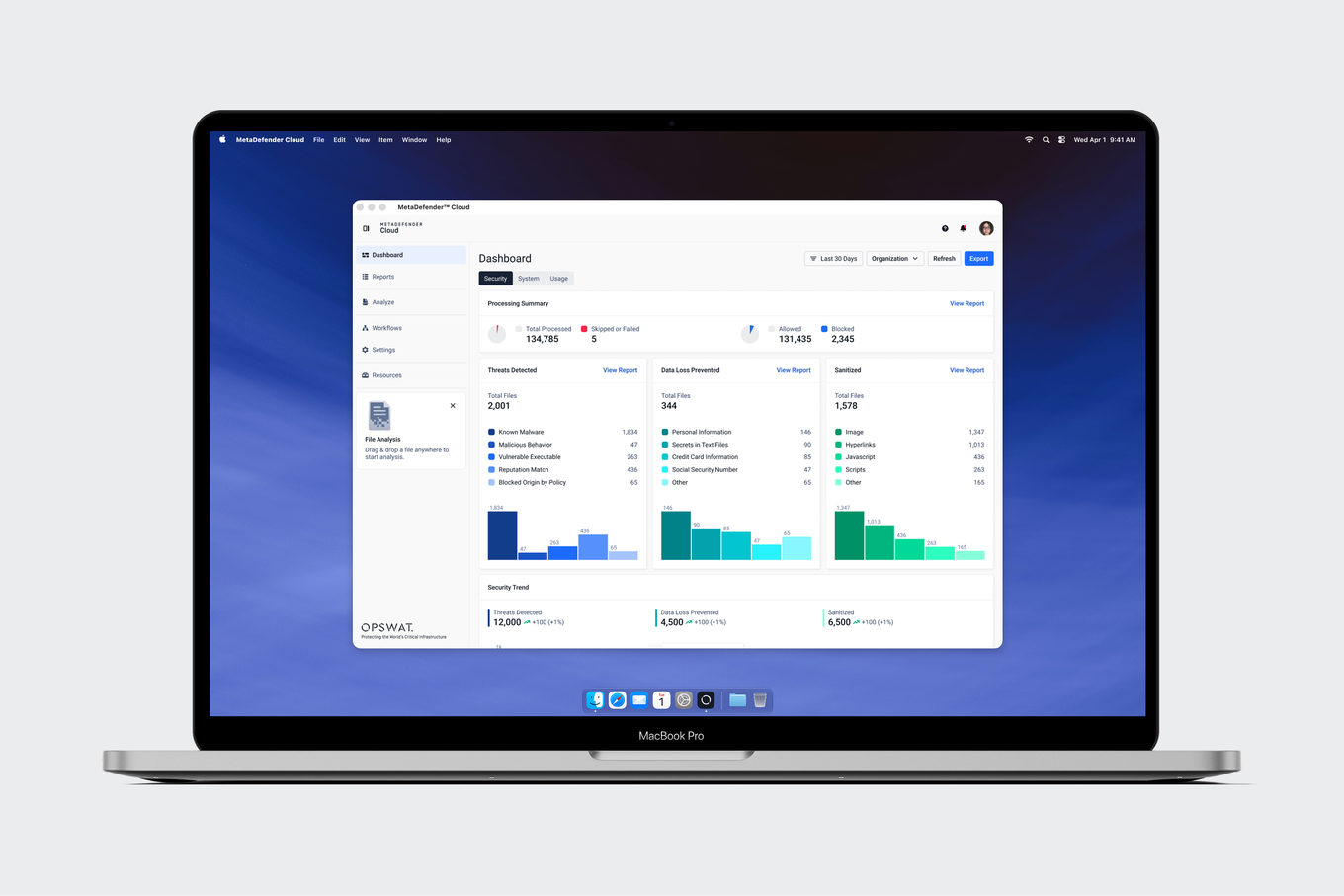
The first full product rebuilt on Blue Line after the design-system audit — a platform-wide facelift that launched in September 2025. If the new system could hold a product this dense, it could hold the rest of the family.
Overview
MetaDefender Cloud is OPSWAT’s cloud-native file-security platform: every file is scanned by 20+ anti-malware engines, rebuilt by Deep CDR, checked for sensitive data by Proactive DLP and, when needed, detonated in a sandbox. Teams reach it through a web app, a REST API and integrations with the places files already live.
After auditing and rebuilding our design system, I took it to Cloud first — the biggest, most feature-dense product we had.
Challenge
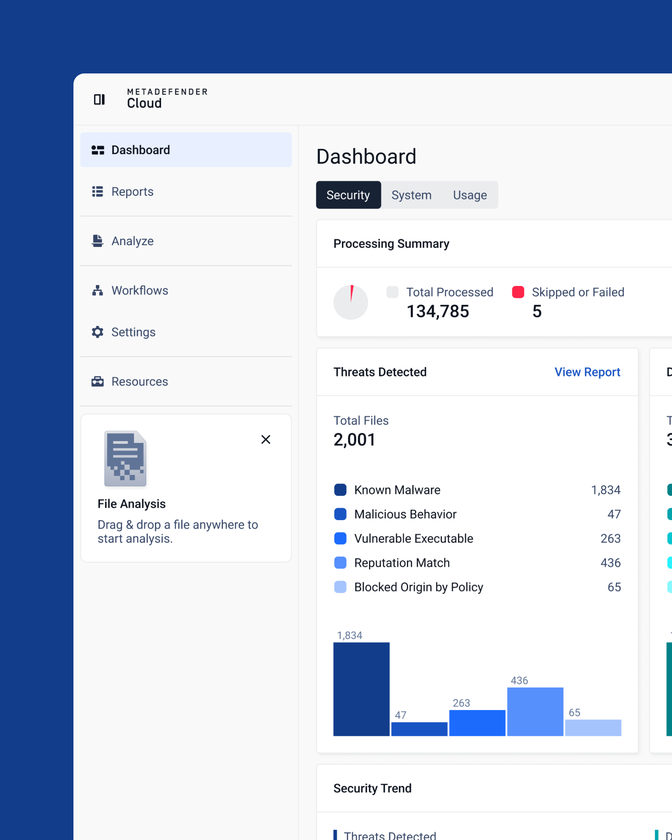
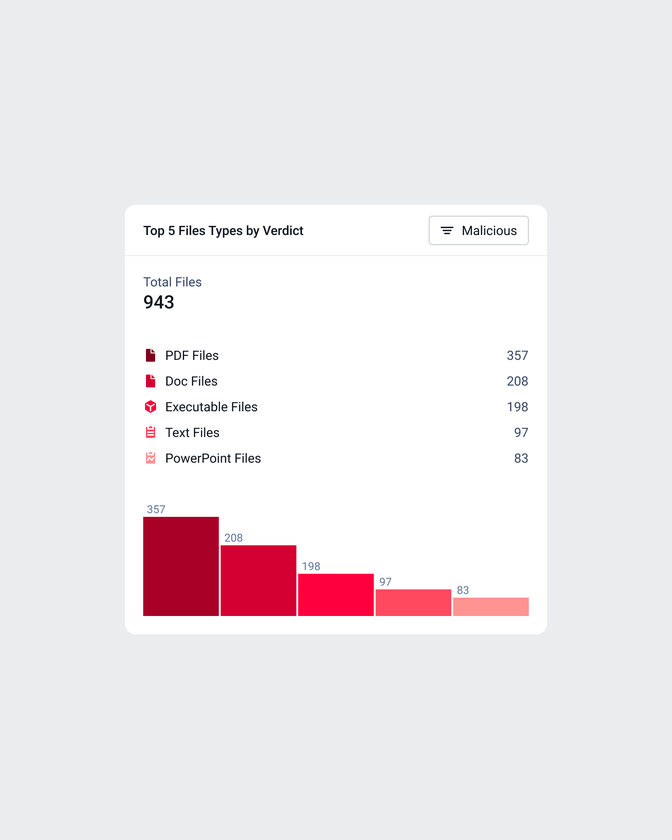
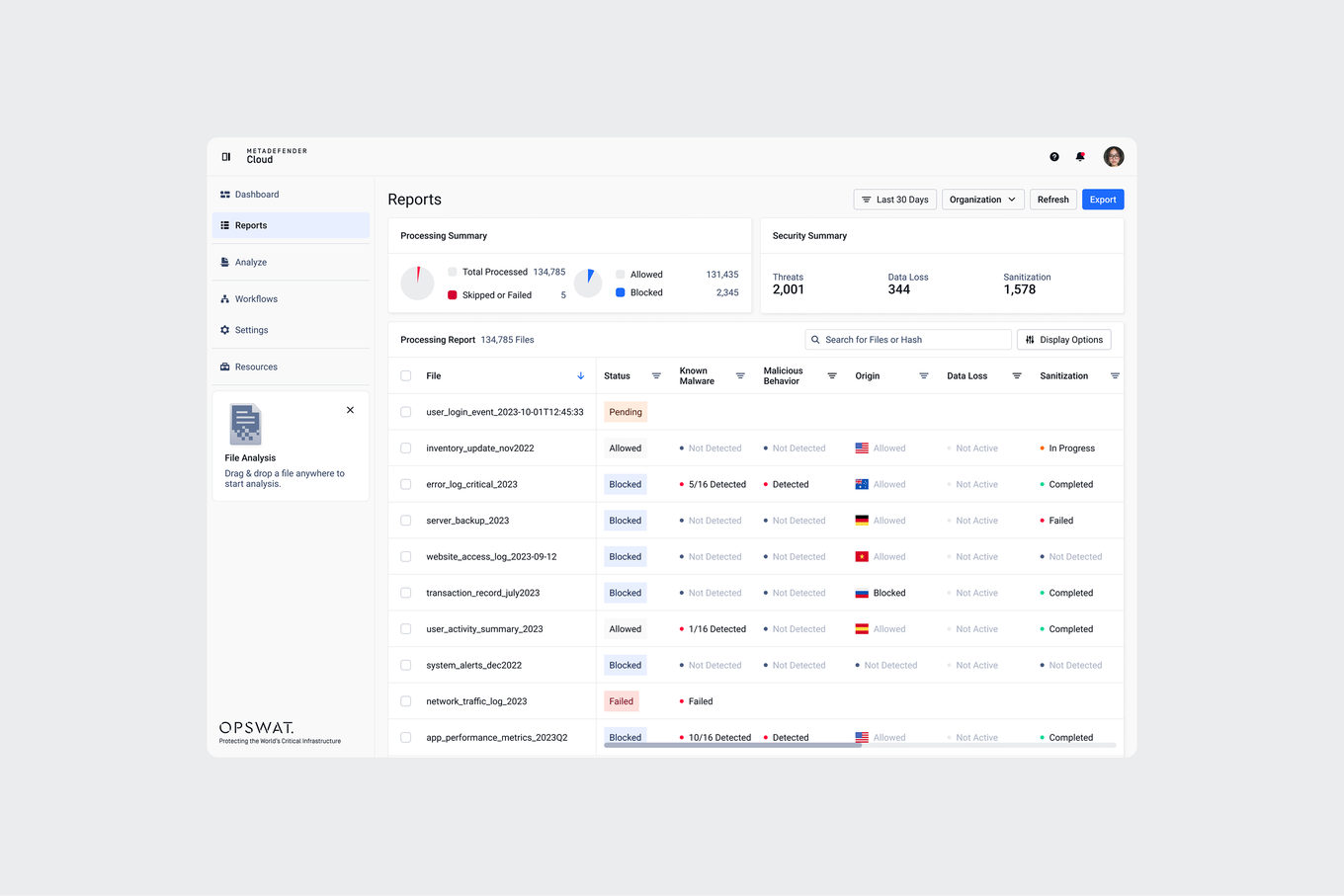
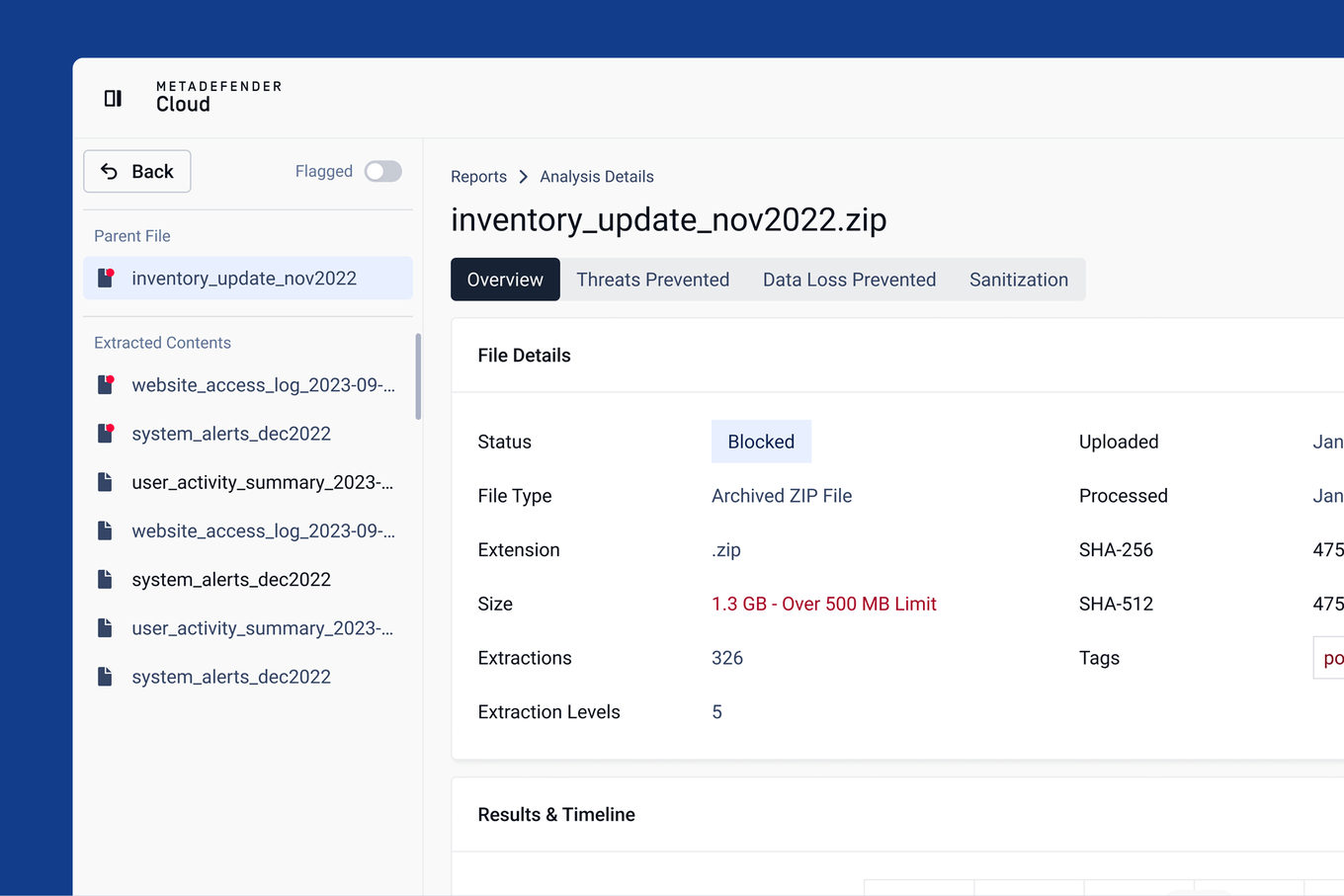
A dozen feature areas had each grown their own look and vocabulary, so moving from the dashboard to a file report to settings felt like using three different tools. The answers people actually came for — what was detected, sanitized or stopped — were spread across screens, and settings had become a junk drawer of overlapping options and dead-end flows. All of it had to serve an analyst, a CISO and a developer at once.
Solution
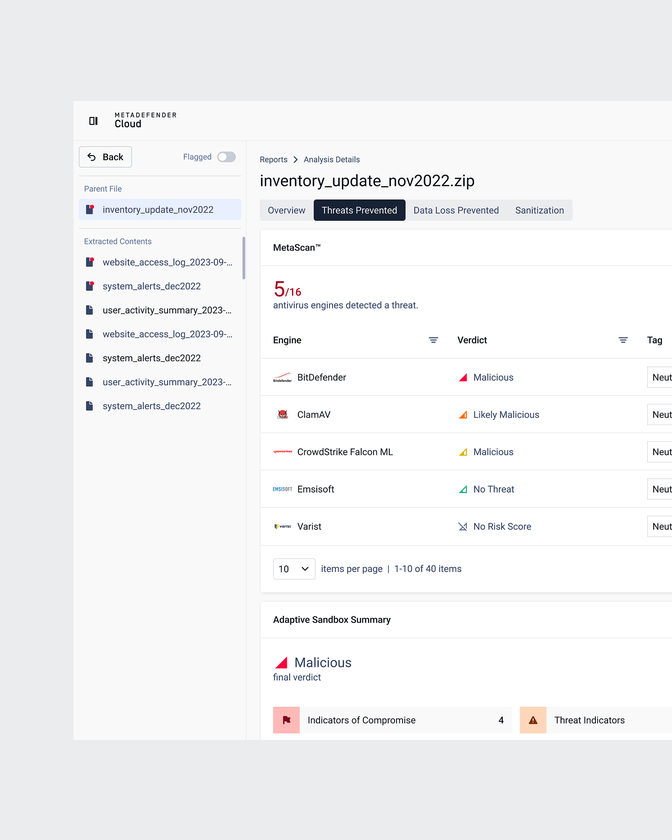
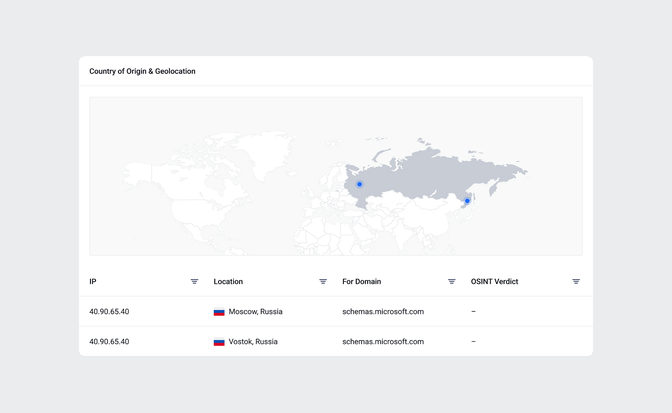
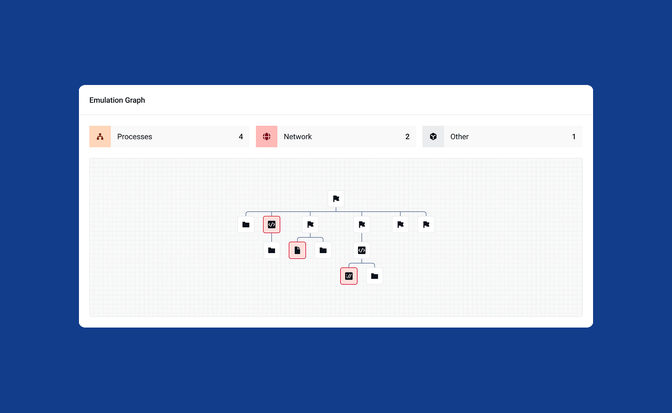
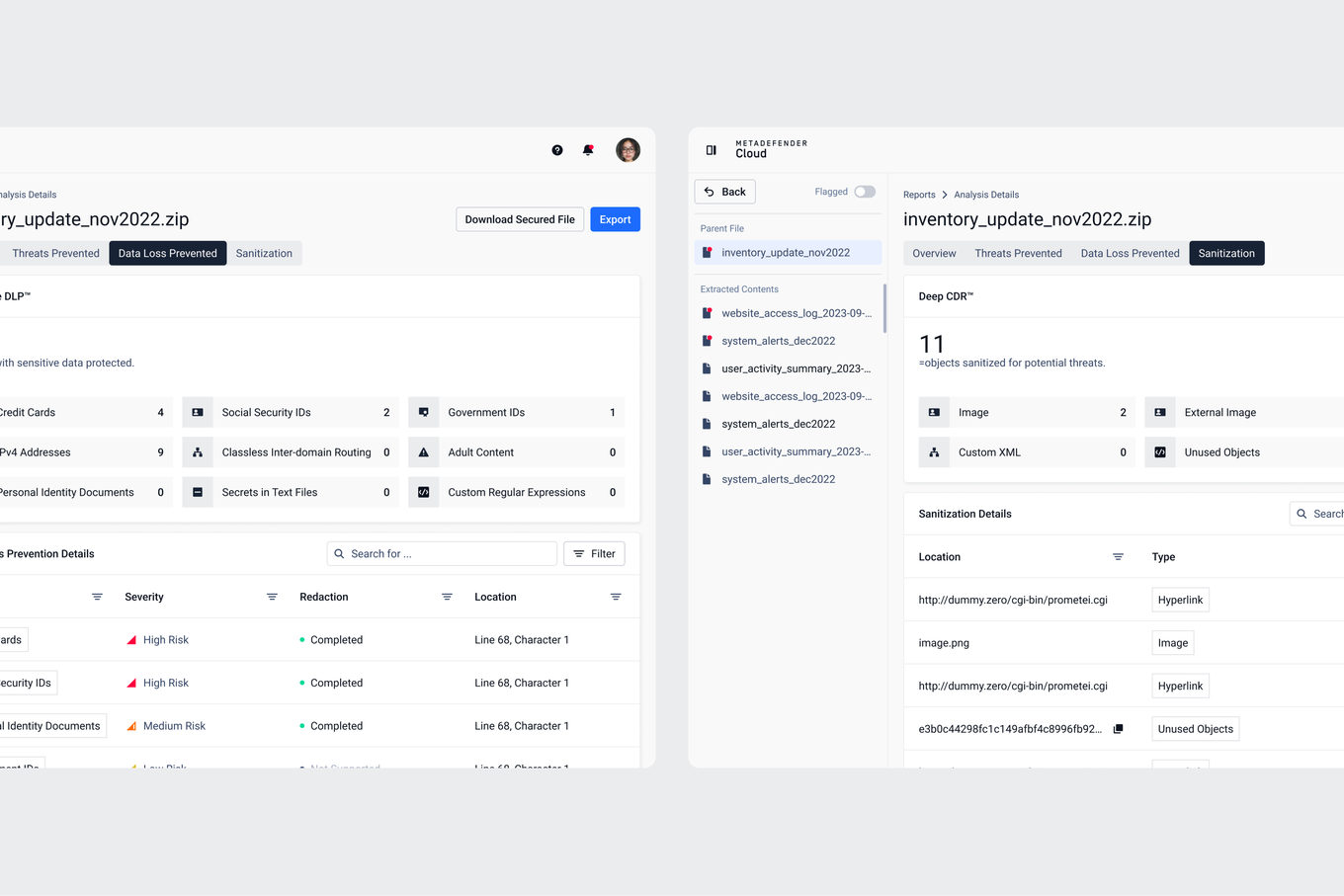
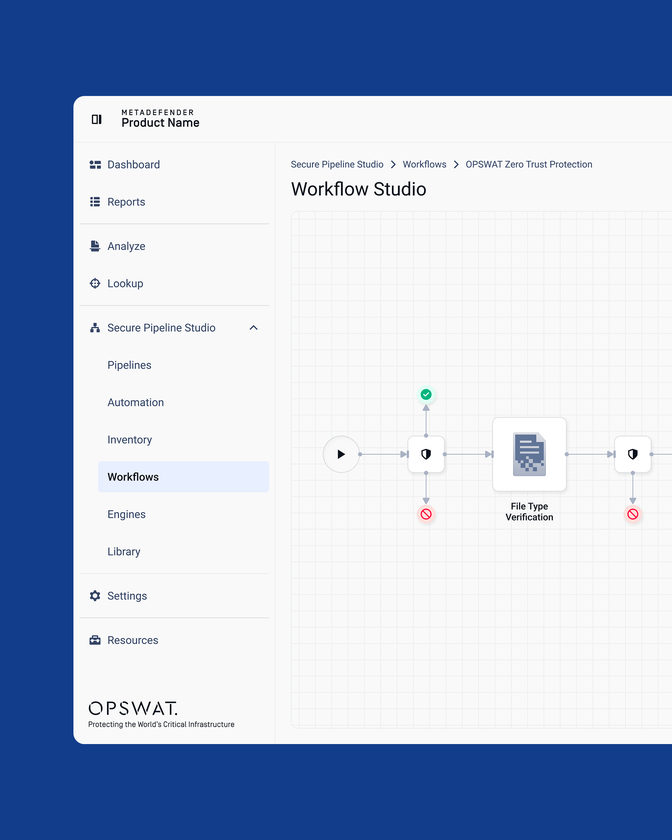
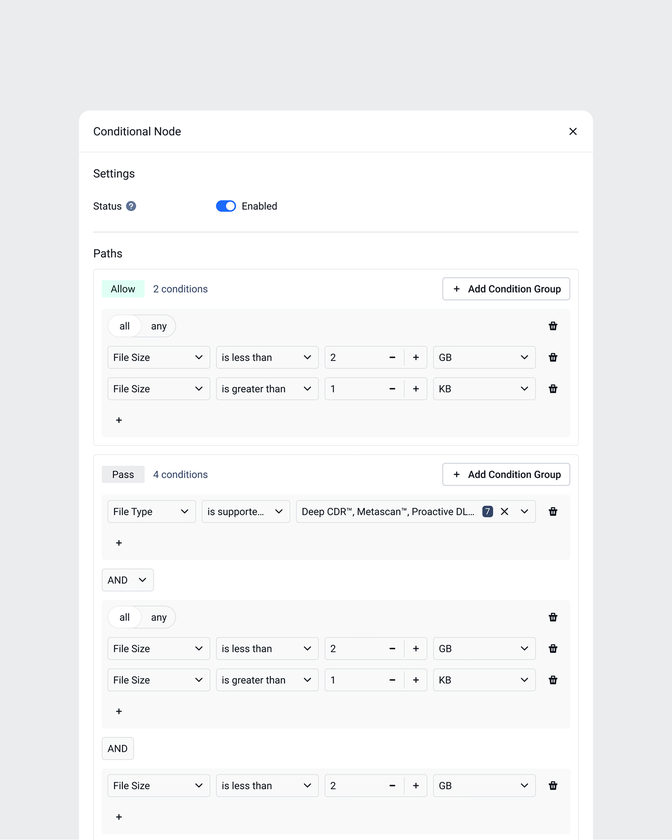
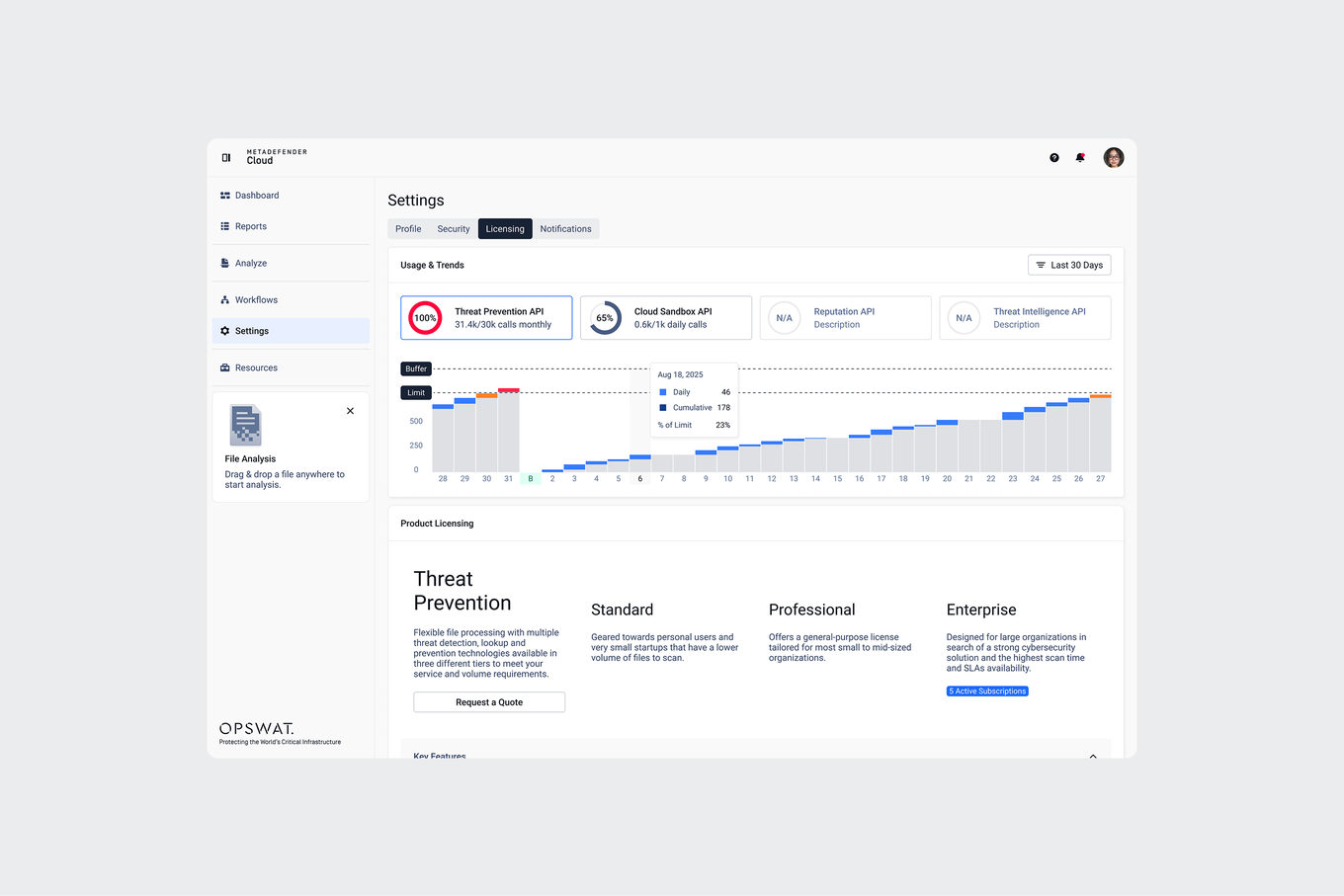
Every surface was rebuilt on shared components, with the wording reworked alongside the layouts. The dashboard leads with threats, data loss and sanitization; reports and file analysis put the verdict first and keep engine, sandbox and DLP detail a layer below; settings were taken apart into clear areas instead of restyled; and custom workflows became a visual studio rather than a config screen.
Findings
The redesign launched in September 2025, introduced by OPSWAT as a refreshed look with clearer reporting and sharper dashboard insights. It also did its job as the proving ground: the design system held up under the densest product in the portfolio, and the patterns Cloud settled became the base for the products that followed. See the live product →